

Blog

What Is Skin Barrier Repair—And Why Is Everyone Talking About It?

If that barrier is disrupted – by harsh cleansers, over-exfoliation, environmental stressors, or just aging – your skin can start acting out. You may notice dryness, redness, itchiness, a tight feeling, or even breakouts. Those little symptoms are your skin begging for attention. And yes, you can repair that barrier […]

Read More


Understanding Pigmentation: What Works and What Doesn’t

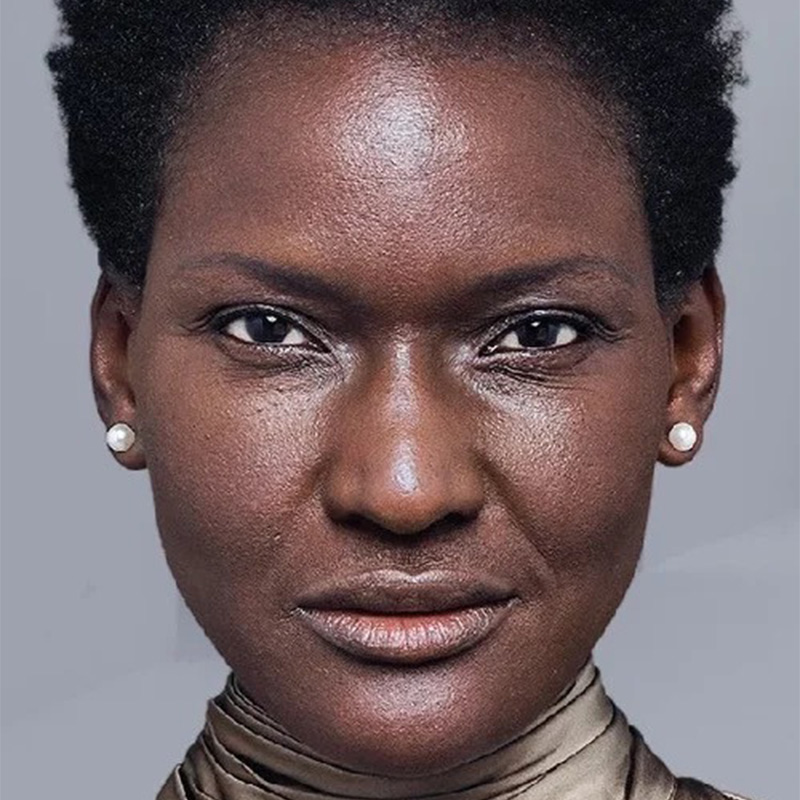
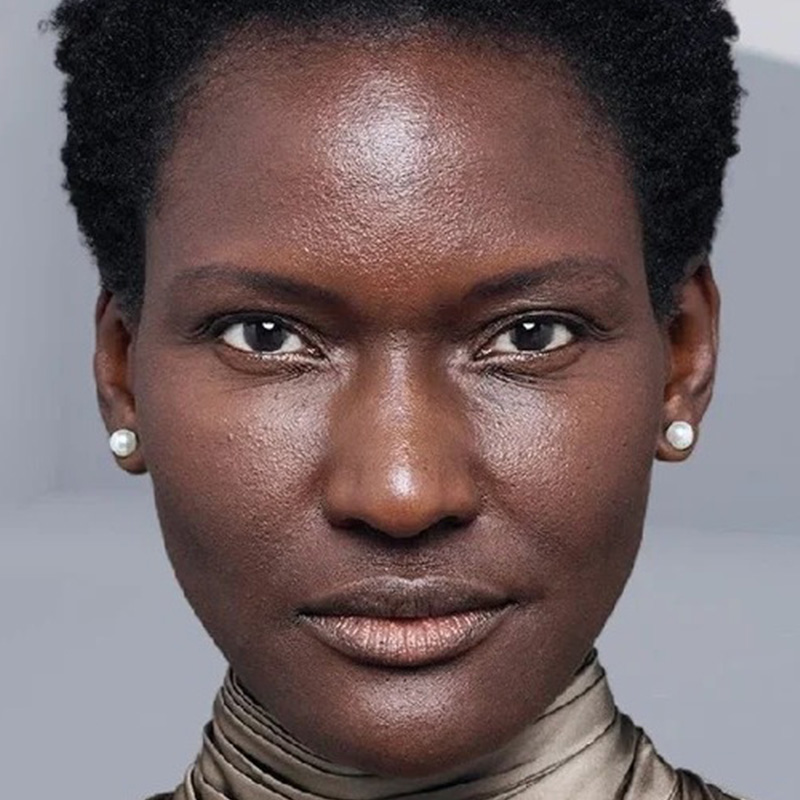
But the good news? We’ve come a long way. Between better understanding of how pigmentation forms and the emergence of targeted ingredients and in-office treatments, we now have real tools to help fade unwanted pigment safely, and in some cases, prevent it from coming back. The tricky part is knowing […]

Read More

Microneedling vs. Laser: Which Is Right for Your Skin Goals?

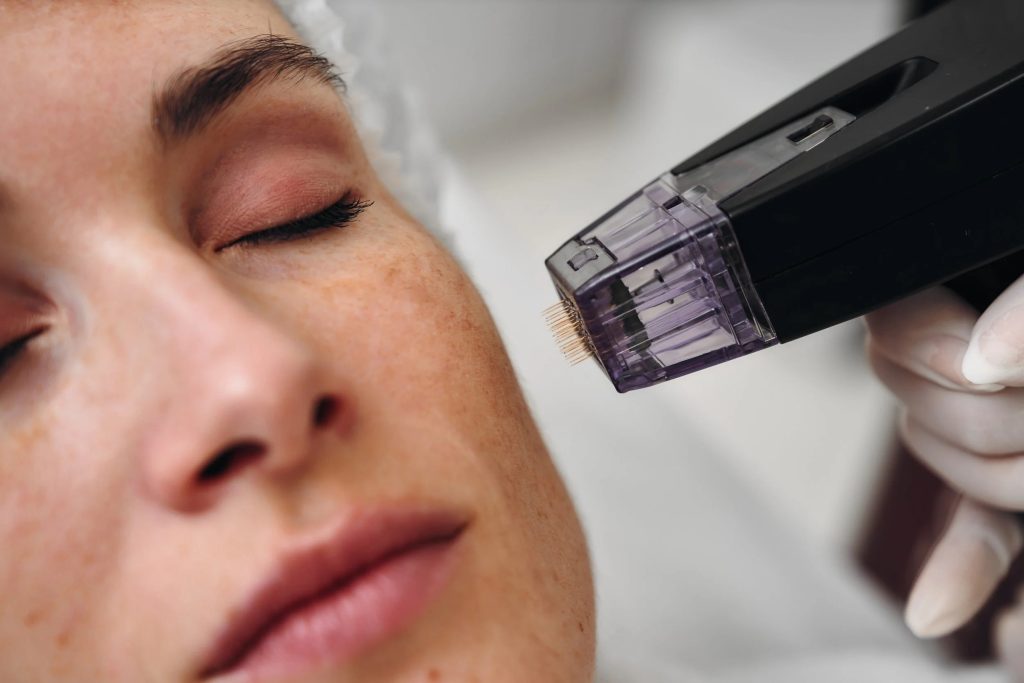
That’s where this conversation comes in. As a practicing aesthetician for a lot of years, I’ve guided hundreds of clients through this exact question. And the truth is, there’s no one-size-fits-all answer. Your ideal choice depends on your skin type, your concerns, your lifestyle, your tolerance for downtime, and your […]

Read More

Summer-Safe Treatments: What You Can Do in Sunny Months

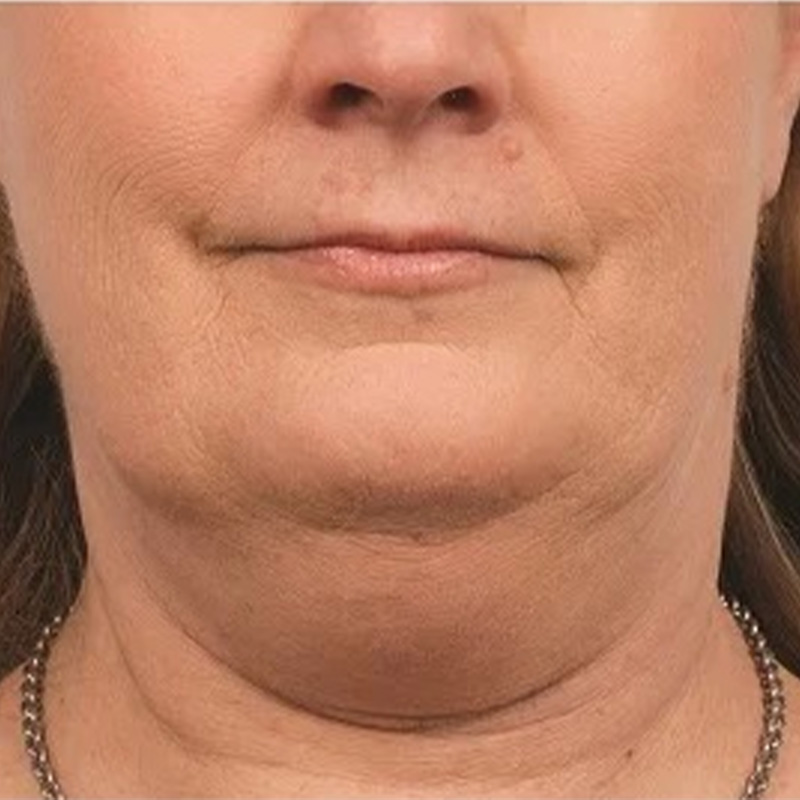
In fact, there are plenty of professional treatments that are not only safe for summer – they’re ideal. Whether you’re looking to hydrate and refresh your glow, subtly enhance your skin’s texture, or even jumpstart your body contouring goals, summer offers a sweet spot to make it all happen. And […]

Read More

The Science and Benefits of Red LED Light Therapy

Red light therapy utilizes specific wavelengths of light to penetrate the skin at a cellular level. Unlike other skincare treatments that rely on chemicals or invasive procedures, this therapy works by delivering low-level light energy directly into the skin’s deeper layers. The wavelengths used in red light therapy typically range […]

Read More

Ectoin in Skincare: The Science, Benefits, and Buzz

The origins of Ectoin Ectoin is a small but mighty molecule, scientifically classified as an “extremolyte.” It was first discovered in 1985 by a group of German scientists studying microorganisms thriving in some of the most extreme environments on Earth. These microorganisms, known as halophiles, live in places like salt […]

Read More